

Cavity vs Direct-Fixed Plaster Cladding: How Can I Tell Which My House Has?
If you own a plaster home in New Zealand, you’ll need tounderstand: Does my house have a cavity, or is it direct fixed plaster?The answer can impact your home's weathertightness, maintenance requirements,resale value, and renovation options.
Understanding the difference between a cavity plastercladding and direct fixed plaster construction can help homeowners makeinformed decisions about repairs, renovations, and long-term propertyprotection.
How Do I Know If My Plaster House Has a Cavity?
The easiest way to determine whether your home has a cavityis by checking when it was built, it’s more common in homes built after theyear 2000 and looking for visible signs around windows, doors, and the base ofwalls.
A plaster cladding cavity system includes a gap between thecladding and the timber framing. This cavity allows any moisture that getsbehind the cladding to drain away and helps air circulate behind the wall.
Your home does have a cavity, any building documentation shouldshow a cavity system was installed. Other signs your home may have a cavity couldbe ventilation gaps at the bottom of external walls or wider window and doorreveals. As well as visible cavity battens during renovations or repairs.
In contrast, direct fixed plaster is often found on older homesand applied directly over backing sheets fixed to the timber frame, with nodrainage cavity behind the cladding.
If you're unsure, an experienced LicensedBuilding Practitioner external plasterer or building professional caninspect your home and confirm which system you have.
What Is Direct Fixed Plaster?
Direct fixed plaster homes have plaster cladding attacheddirectly to the wall substrate without an air gap.
This construction method was extremely popular throughoutthe 1990s and early 2000s because it provided a clean, modern appearance andwas relatively quick to build.
While many direct-fixed homes perform perfectly well whenproperly maintained, the lack of a drainage cavity means moisture can becometrapped if water penetrates the exterior cladding. Some direct fixed plasterhomes have become leakyhomes, but not all. This is why ongoing maintenance and prompt exteriorplaster repair are essential.
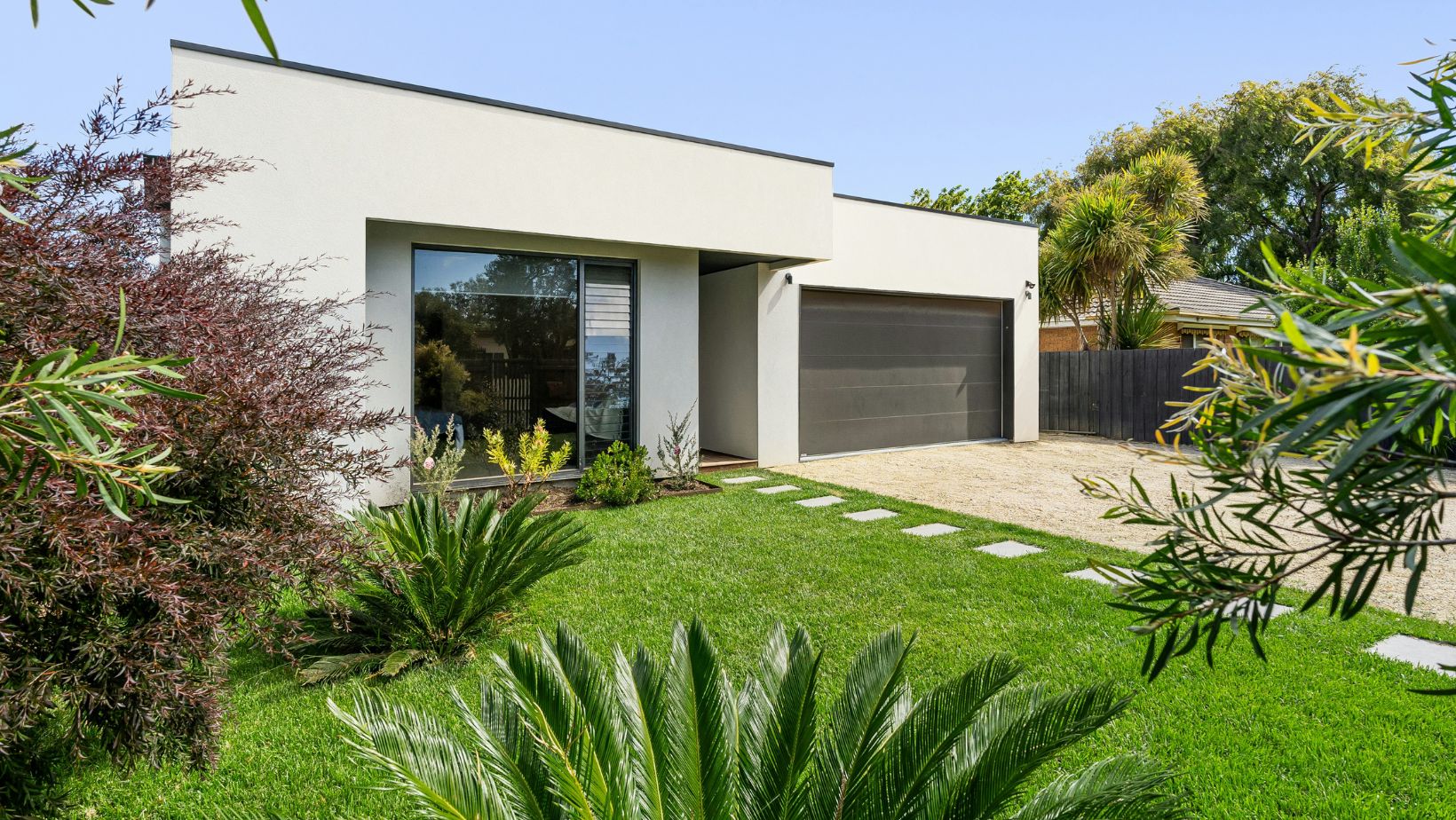
Understanding Modern Systems With Cavity Plaster Cladding in NZ
A modern cavity plaster cladding NZ system incorporates adrainage gap between the building wrap and the cladding.
The cavity creates a secondary line of defence against moisture by allowing water to drain away, airflow behind the cladding, faster drying of incidental moisture as well as reduced risk of moisture becoming trapped within wall framing.
Today's external plastering systems are typically installed over cavity battens to improve building performance and durability.
For homeowners planning house renovationsor re-cladding projects, acavity system is often considered best practice.
Why Does a Plaster Cavity Matter for Weathertightness?
A cavity matters because no cladding system is completelywaterproof.
Wind-driven rain, sealant failures, and normal buildingmovement can allow small amounts of moisture behind a plaster exterior house. Acavity provides a path for that moisture to escape before it causes damage.
Without a cavity, moisture may become trapped againstframing timber, potentially leading to timber decay, mould growth, reduced insulation performance, as well as costly plaster repair and remediation work.
This doesn't mean every direct-fixed home has issues. Manyremain dry and sound. However, cavities provide an additional layer ofprotection that enhances long-term weathertightness. For more information in whyexterior plastering is smart for coastal homes, read our blog.
Which Years Were Direct-Fixed Plaster Homes Built?
Most direct fixed plaster homes in New Zealand were builtbetween the early 1990s and early 2000s.
Properties constructed during this period are often thehomes that homeowners, buyers, and building inspectors pay particular attentionto when assessing weathertightness risks.
If your home was built during these years, it's worthengaging plastering specialists or building experts to assess the condition ofthe cladding and identify any maintenance requirements.
Can a Direct-Fixed Home Be Retrofitted with a Cavity?
Yes, in many cases a direct-fixed home can be retrofittedwith a cavity.
This typically involves removing the existing cladding,installing cavity battens and building wrap improvements, and applying a newplaster system.
Retrofitting can be a significant project, but it may beworth considering if you're undertaking major renovations or if substantialrepairs are required.
An experienced team providing plastering services, externalplastering, and exterior plaster repair can assess your property's conditionand recommend the most cost-effective approach. If you’d like to understand howmuch a plaster in Auckland costs, read our recent blog.
Understanding and Caring for your Home’s Plaster System
Understanding whether your home has a cavity plastercladding NZ system or direct fixed plaster construction is an important step inprotecting your property. While both systems can perform well when properlymaintained, cavities offer additional moisture management benefits that improvelong-term durability.
If you're unsure what type of cladding your home has,consulting qualified plastering specialists can provide clarity and peace ofmind. Whether you need maintenance, exterior plaster repair, or advice onupgrading your plaster exterior house, professional guidance can help ensureyour home remains weather-tight and looking its best for years to come.