
Roughcast Plastering A Timeless Exterior Finish for NZ Homes
When it comes to exterior finishes, few methods carry the same durability and character as roughcast plastering. Known also as roughcast cladding, stucco, or wet dash, this technique has stood the test of time and actually been used for centuries to protect homes from the elements, while also adding a distinctive textured look.
In New Zealand, particularly Auckland, roughcast cladding NZ remains a popular choice for both heritage villas and modern builds. But what exactly is roughcast plastering, how is it applied, and why does it continue to stand the test of time?
This blog explores the origins, application process, benefits, and challenges of roughcast exterior walls, helping homeowners understand whether a roughcast house could be an ideal cladding solution for them.
What is Roughcast Cladding?
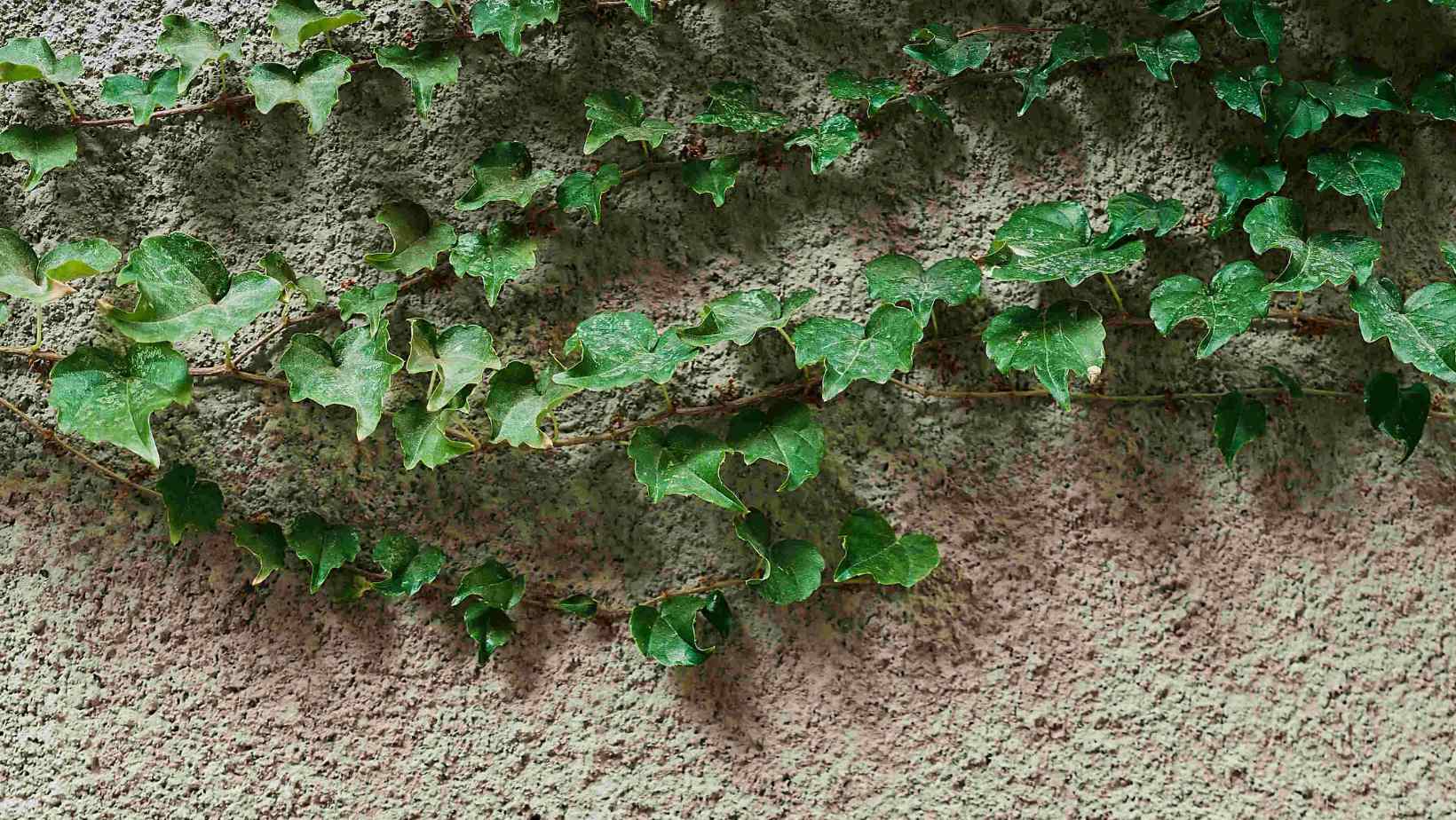
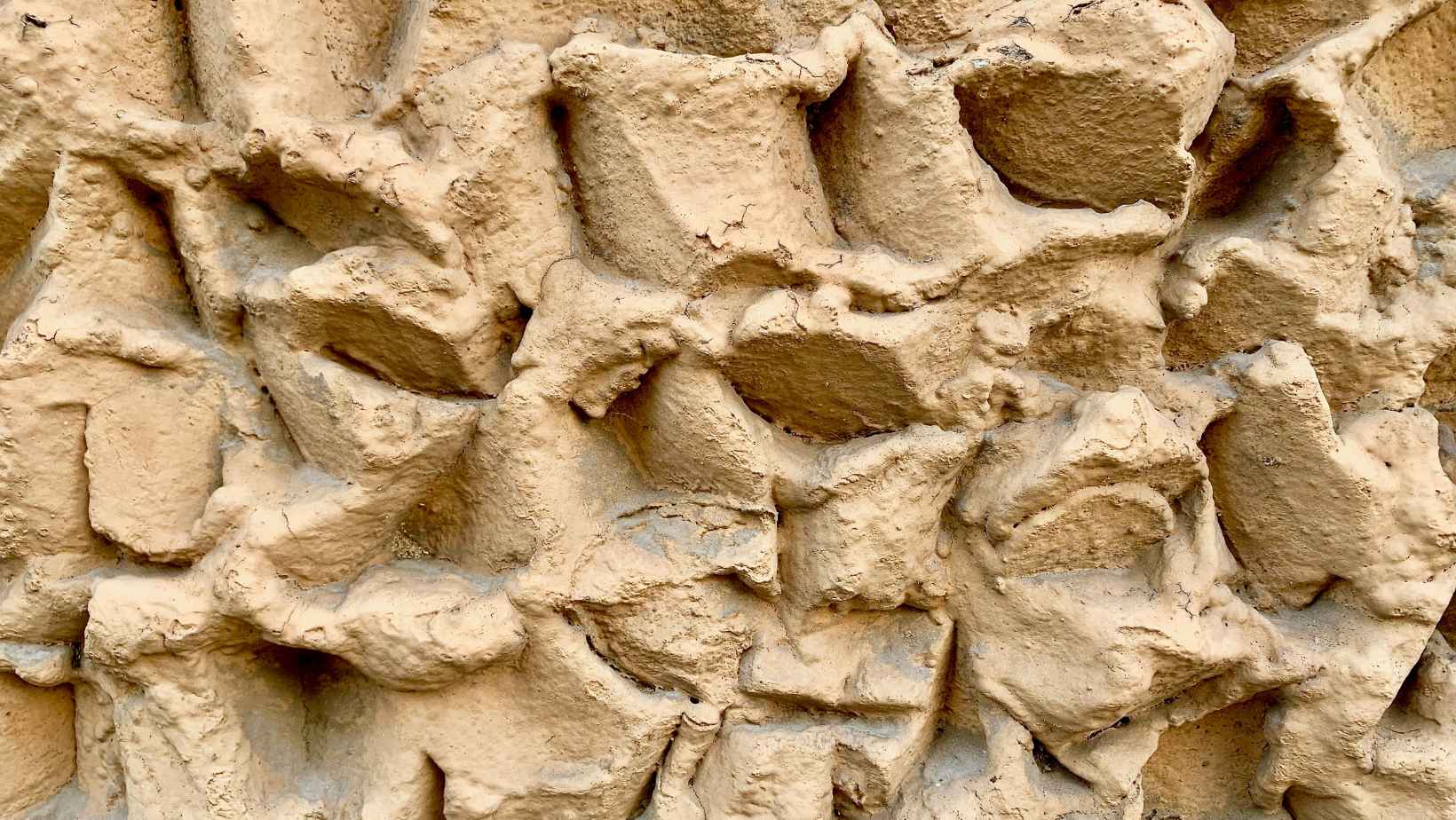
Roughcast cladding is a type of plaster finish where sand, gravel, or small stones are mixed into plaster and then applied to exterior walls. Instead of being smoothed flat, the mixture is thrown or dashed onto the wall, creating a rugged, irregular surface. This technique is sometimes referred to as roughcast stucco or pebble dash.
The end result delivered is a roughcast exterior wall that is visually distinctive and highly weather resistant. In Auckland’s varying wet, humid and coastal climate, ongoing wind and rain can provide challenges to any home’s exterior surface, roughcast cladding can provide the ideal protective shell helping prevent cracks or moisture penetration.
The History of Roughcast Plastering
Roughcast plastering dates back over hundreds of years. It was widely used in Europe, particularly in Scotland and England, where it was known as “harling.” We have over a century of experience in plastering dating back to the UK, so we are very familiar with this technique, in the West Family. We know it has been valued for its ability to withstand harsh weather, while providing a cosy, rustic charm for older dwellings like cottages or heritage villas.
Roughcast cladding in NZ became popular with heritage homes around the early 20th century. Many kiwi villas and bungalows built during this period still feature roughcast walls, proving its longevity. We proudly help maintain these buildings today as part of our heritage homes plastering maintenance, repair and recladding services.
The Process of Roughcasting
Applying roughcast plaster is a specialised and unique skill. To our knowledge, very few Licensed Building Practitioners in Auckland offer this service. However, because of our century-long legacy, this craft has been passed down the generations of the West family. Unlike smooth plastering, which requires precision troweling, roughcasting involves mixing aggregates ( such as sand, gravel, pebbles, or shells) into a lime or cement base and then flinging the mixture onto the wall.
Our team would tackle this by firstly methodically preparing the surface. Surface Walls must be cleaned and primed to ensure adhesion. Secondly, we’d proceed in mixing the plaster. It is at this stage that lime or cement is combined with sand and aggregates. The next step is the application. Here, the mixture is thrown against the wall using a trowel or scoop, creating a rough, textured finish. Lastly is the curing stage. The wall is left to dry and harden, forming a durable, weatherproof layer. And this is finished off with a fresh coat of paint, if required.
Because of the technique’s complexity, few plasterers in Auckland that we’re aware of offer authentic roughcasting today. It requires experience and an eye for detail to achieve a consistent finish.
Roughcast in Heritage Homes
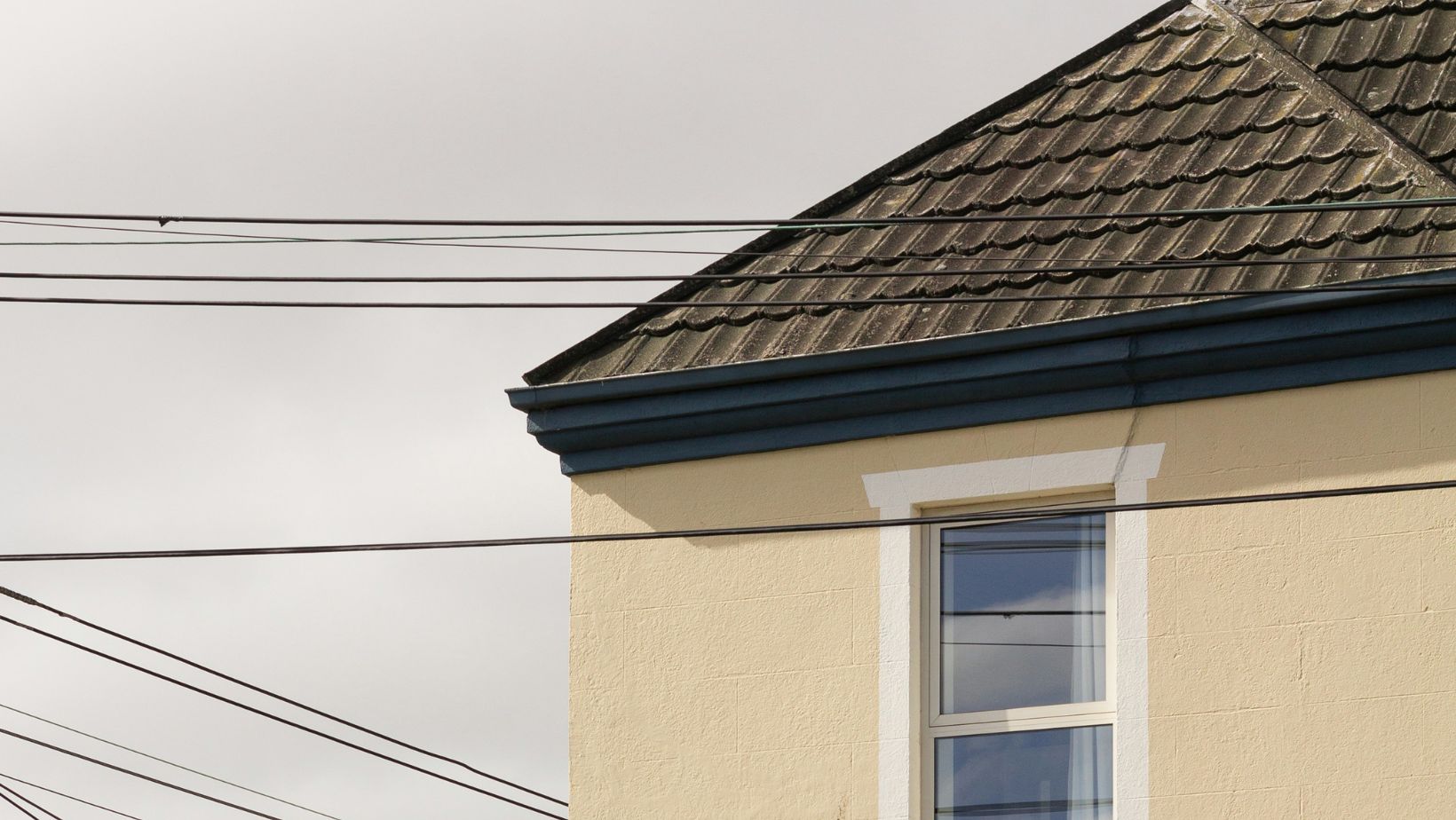
One of the most common places you’ll see roughcast cladding NZ is in heritage properties. Villas and bungalows built in the early 1900s often feature roughcast exterior walls, which were chosen for their ability to withstand New Zealand’s weather while adding architectural charm.
Restoring these homes requires careful attention. Modern plasterers must match the original texture and materials to preserve authenticity. This is why roughcast plastering is considered a specialised skill.
Challenges of Roughcast Plastering
While roughcast has many advantages, it’s not without challenges. It can be labour intensive, with application requiring skill and time. Repair Complexity, matching the texture during repairs can be difficult, especially if there is sun faded damage present. Because it’s specialised, roughcasting can sometimes be more expensive than standard plastering. However, on the other hand ongoing maintenance can be more economical.
Despite these challenges, well‑maintained rough cast cladding can last decades and add significant value to a property.
For tips on mistakes to acoid when plastering, read our blog.
Modern Uses of Roughcast Cladding
Today, roughcast is making a comeback in architectural design. Many modern homes incorporate roughcast stucco as a feature wall or exterior finish to add texture and contrast. Combined with glass, timber, or steel, roughcast walls create a striking blend of old and new.
In Auckland, where weather resistance is critical, roughcast cladding NZ remains a practical choice for homeowners who want both durability and style.
Top Maintenance Tips for Roughcast Walls
Use a soft brush to remove dirt and moss for regular cleaning to keep your surface looking and performing as new. Inspect for cracks, small cracks should be repaired quickly to prevent moisture ingress. We do offer a plaster maintenance service to inspect plaster surfaces. Always hire qualified specialists to match texture and materials. A fresh coat of breathable paint can protect and refresh the finish.
From heritage villas to modern builds, roughcast cladding in NZ offers durability, weather resistance, and timeless character. While it requires specialised skill and careful maintenance, the rewards are clear: a home that stands strong against the elements while looking distinctive and authentic.
For homeowners considering whether roughcast exterior walls are right for their property, the answer lies in their priorities. If you value resilience, low maintenance, and a textured aesthetic, a roughcast house may be the perfect choice.