

Silicone Rendering vs Traditional Plaster: What Works Best in Coastal Areas?
If you live along the Hibiscus Coast, the North Shore, or anywhere else in Auckland where the salty sea breeze is just part of daily life, you already know that coastal conditions are not kind to buildings. The combination of salt air, wind-driven moisture, and the kind of humidity that creeps into everything means your home's exterior has to work harder than most. And when it comes to choosing between silicone render and traditional plaster, that decision matters more than people often realise.
We are West & Sons Construction, a family-owned team of licensed building practitioners based in Matakatia, Whangaparāoa, right on the Hibiscus Coast. With a legacy of craftsmanship that stretches back four generations, we have spent decades working on homes up and down the Auckland coastline, from Orewa and Silverdale through to the North Shore and beyond. That kind of hands-on, local experience gives us a perspective on coastal building that is difficult to find elsewhere, and it shapes every recommendation we make.
When it comes to exterior finishes, the finish you choose for your walls can be the difference between a surface that holds up for decades and one that starts showing signs of wear within a few years. So let us walk you through what each option actually involves, how they hold up in a coastal environment, and which one is likely to serve your home best in the long run.
What Is Traditional Plaster and How Does It Work?
Most people know traditional plaster by feel rather than by name. It is that solid, weighty finish you find on older homes and well-built commercial buildings, the kind that feels like it means business when you knock on it. Under the surface, it is a layered mix of sand, cement, and sometimes lime, applied wet over substrates like block, brick, or concrete and left to cure into something genuinely hard-wearing. Done properly, it gives a home a clean, grounded look that is difficult to replicate with lighter modern systems.
There is a reason it has stood the test of time. Traditional plaster is incredibly strong, provides good thermal mass, and when it is applied well, it gives a home a real sense of weight and permanence. For the right property, it is hard to beat.
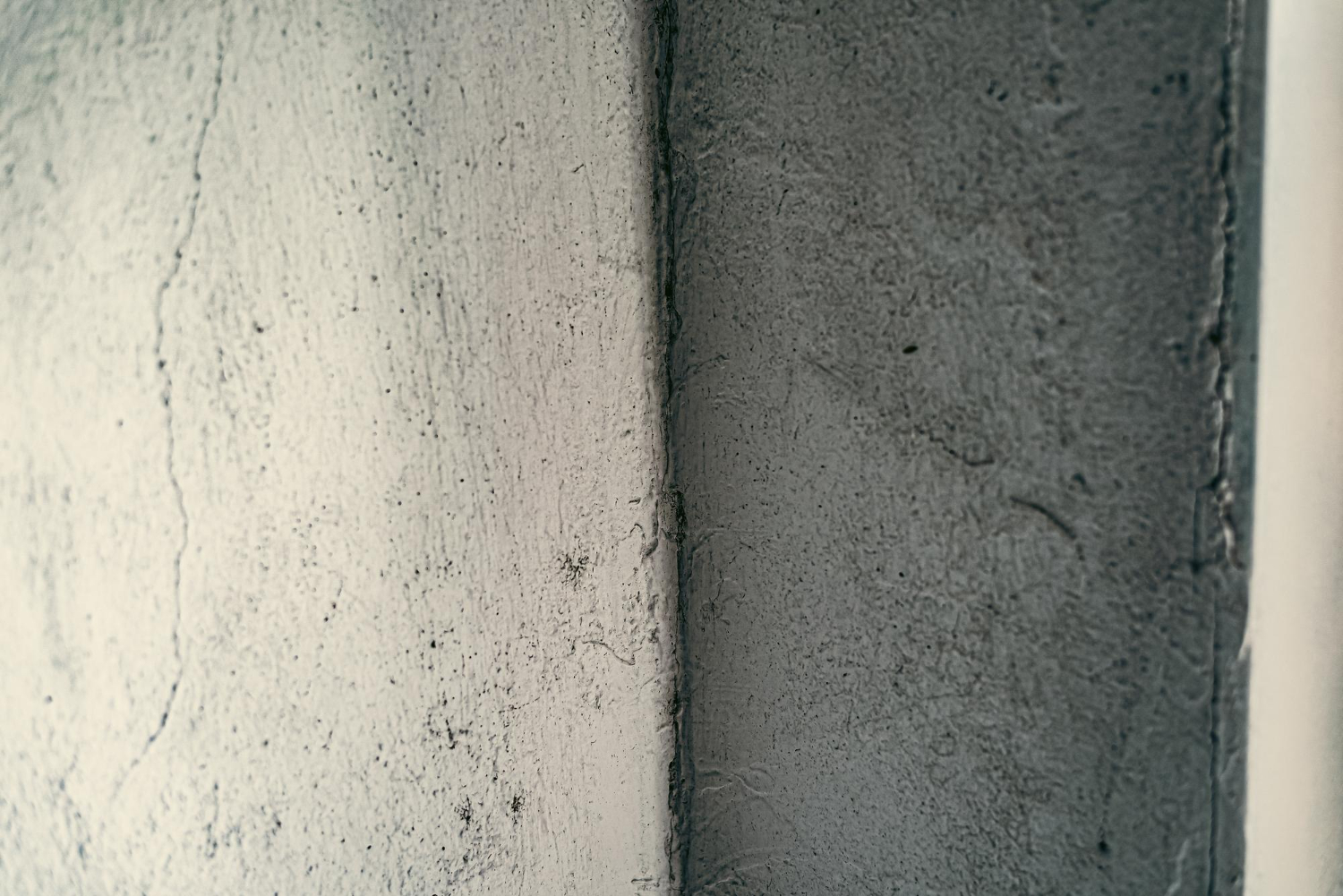
That said, traditional plaster does have its limitations, and those limitations become more apparent in coastal settings. Cement-based render is a rigid material, which means that as a building shifts and settles over time, or as temperature fluctuations cause expansion and contraction, the plaster can develop hairline cracks. On their own, those cracks might seem like nothing. Coastal air has a way of finding every weakness in a surface, and a hairline crack in plaster is all the invitation it needs. Once salt-laden moisture works its way in behind the render, the damage tends to spread in ways you cannot see from the outside, rotting the substrate, lifting the plaster from within, and quietly building into a repair job that is far more involved than anyone planned for.
So, What Exactly Is Silicone Render?
Silicone render sits in a different category altogether. It has gained serious ground in New Zealand over recent years, particularly in coastal and high-wind locations, and we have seen firsthand why it performs so well in these conditions. Where cement-based systems are rigid by nature, silicone render is formulated with polymer resins that give the material a degree of flexibility, allowing it to move with the building rather than fight against it.
Because the material can flex slightly as a building settles or expands in the heat, it does not develop the fine cracks that plague traditional cement render over time. For a coastal home, that resistance to cracking is worth a great deal.
Water resistance is the other major factor, and here, silicone render really comes into its own. Rather than simply slowing moisture absorption the way a painted surface does, it actually causes water to bead and run off the wall, leaving the substrate underneath dry. New Zealand's west-facing coastal properties get hit with rain that is practically horizontal on a bad day, and a surface that sheds water rather than soaks it up makes a real practical difference. The material is also breathable, so any moisture that does find its way into the wall can escape outward rather than sitting trapped and causing mould or rot behind the surface.
Silicone render also holds its colour exceptionally well. The pigment is carried through the full depth of the material, which means that even as the surface weathers, it does not fade or chalk the way painted traditional plaster often does. For homeowners who want a fresh-looking exterior without having to repaint every few years, that is a genuine benefit.
Silicone Render vs Traditional Plaster: How They Compare in Coastal Conditions
Put these two systems next to each other in a coastal setting, and the differences become pretty hard to ignore.
Moisture is the big one. Silicone render repels it; traditional plaster, even when painted and sealed, will eventually let it in. Paint weathers, sealers break down, and once the outer protection is compromised, a cement-based render is left largely on its own against the elements. Silicone render does not rely on a painted layer to keep water out, because water resistance is built into the material itself. That is a meaningful distinction for any home sitting within range of the sea.
Longevity is a bit of a mixed picture. A well-applied traditional plaster over a good, solid substrate can absolutely go the distance, and we have seen it done on plenty of Auckland homes. The catch is that "well-maintained" is doing a lot of heavy lifting in that sentence. In coastal conditions, maintenance needs to be taken seriously and acted on promptly, because the window between a minor surface issue and a more serious structural problem is shorter than it would be inland. Silicone render generally gives you more breathing room between inspections, not because problems cannot occur, but because the system is far less vulnerable to the specific conditions coastal properties face.
From a maintenance perspective, our plaster maintenance team sees firsthand how different materials perform in different environments. Homes in exposed coastal areas with traditional plaster often need attention sooner, particularly around the seven-year mark when repainting becomes necessary. That is also the ideal time to inspect the underlying render for any deterioration. With silicone render, that cycle is generally longer, and the issues that do arise tend to be more minor.
On the question of cost, traditional plaster is typically less expensive upfront. Silicone render carries a higher initial price point, largely because of the materials involved and the specialist application process. However, when you factor in reduced maintenance, fewer repairs, and longer intervals between major works, the total cost of ownership over ten or fifteen years often tells a different story.
What About Coastal Homes Specifically?
For homes along the Hibiscus Coast and the North Shore, the risk factors are quite specific. Salt air is corrosive to all sorts of building materials, and exterior finishes are no exception. The salt particles carried in the air settle on surfaces and, combined with moisture, accelerate the breakdown of cement-based materials. Over time, this can lead to a process called efflorescence, where salts leach through the plaster and appear as a white, powdery residue on the surface. It does not look great, and it is a sign that moisture is moving through the material in ways it should not be.
Silicone render's hydrophobic properties are particularly valuable here because they limit the amount of moisture that can carry those salts through the wall in the first place. For homes in particularly exposed positions, facing the sea or on elevated coastal sections, this kind of protection can make a meaningful difference to how the exterior holds up year after year.
It is also worth noting that our exterior plastering and plaster repair team is often called in to deal with the consequences of finishes that were not quite right for their environment. Replacing or repairing a failed render system on a coastal home is a significant job, and one that is far better avoided with the right choice at the outset.
When Traditional Plaster Still Makes Sense
It would not be fair to say that silicone render is always the right answer, because it is not. Traditional plaster still has a lot going for it in the right circumstances, and there are situations where it remains a perfectly sensible choice.
If the substrate is solid concrete or brick and the home is in a relatively sheltered position, even along the coast, traditional plaster can perform well when applied correctly and maintained regularly. Heritage properties and older homes often have existing traditional plaster systems that are still in good shape, and in those cases, matching and repairing with traditional materials makes more sense than switching systems entirely.
For new home builds in coastal areas, however, the calculus tends to favour silicone render more often than not, simply because you are starting fresh and have the opportunity to put the best possible system in place from day one.
Getting the Application Right Matters as Much as the Material
People talk a lot about which render product is better, but the material is only half the story. We have seen perfectly good products fail because the surface was not prepared properly, the coat was applied too thin, or the job was rushed through before it had time to cure. And we have seen traditional plaster outlast newer systems simply because the tradesperson who put it on knew what they were doing and took the time to do it right.
For coastal homes, where the consequences of a substandard finish show up faster and cost more to fix, getting an experienced team on the job is not a luxury. Our licensed building practitioners have spent years working in New Zealand's coastal conditions and know how different materials behave when the salt air and wind really get going. We assess each property individually, because the right system for a sheltered Silverdale home is not necessarily the right system for something perched on an exposed Whangaparāoa headland.
If you are working through a renovation and trying to decide on the right exterior finish, our plastering services for renovations team can come out, take a look, and give you a straight answer on what we would actually recommend for your place.
Making the Right Call for Your Coastal Home
There is no universal answer here, and anyone who tells you otherwise is oversimplifying it. Both systems have genuine merit in the right context. What we can say from years of working on homes along the Auckland coastline is that for properties with direct exposure to salt air and driving rain, the silicone render benefits, including flexibility, water repellence, and lower maintenance over time, tend to tip the scales. It handles the things that coastal conditions throw at it better than cement-based render does, and that matters when you are thinking about a finish that needs to last.
Traditional plaster is still a solid choice for sheltered positions, heritage homes where matching the existing finish matters, and situations where budget is the deciding factor upfront. It is not a bad material; it just needs more looking after in a coastal environment, and that ongoing commitment is something homeowners should go into with eyes open about.
If you are not sure which way to go for your home, we are always happy to come out and have an honest look. We know this coastline well, and we are not going to recommend something just because it costs more.
Get in touch with us today and let us point you in the right direction.