
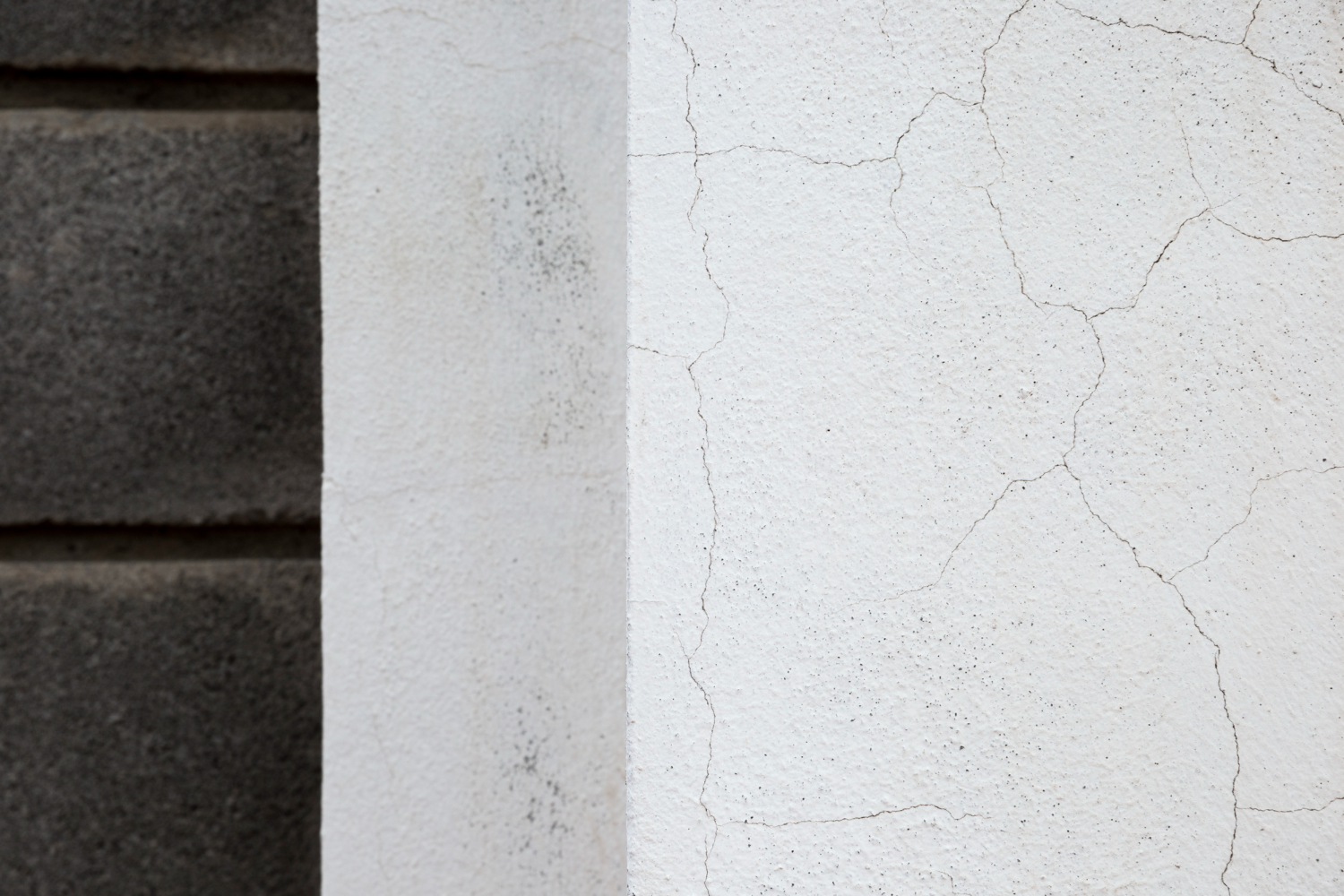
What Causes Cracks in Plaster Walls and How to Fix Them
Plaster walls are one of those things you don’t think much about until something changes. They’re meant to sit flat and quiet in the background, holding paint cleanly and giving a room its finished feel. When cracks appear, they tend to catch your eye straight away.
Across Auckland homes, cracks in plaster walls are a common sight. Some show up slowly over years. Others appear not long after a renovation or a particularly wet winter. Most start small, and many are harmless. A few, though, are signs that something underneath needs attention.
Knowing the difference early can save a lot of time and rework later. That’s where a practical look from someone who understands how houses move makes a difference, before the crack is filled, painted over, and forgotten about.
Why Plaster Walls Crack
Plaster itself is strong once it’s set, but it doesn’t cope well with movement or moisture. When a house shifts, even slightly, the plaster often shows it first. The reasons behind that movement are usually straightforward.
Natural Movement in the House
Most homes around the North Shore and wider Auckland are timber-framed. Timber expands and contracts as the seasons change. Over time, that movement works its way through to the plaster.
Hairline cracking around doors, windows, and ceiling joins is often the result. These cracks in plaster walls tend to be stable and cosmetic, especially in older homes that have already done most of their settling.
Foundation and Ground Movement
When cracks are wider or follow diagonal lines, the cause is often lower down. Shifting ground, poor drainage, or older foundations that have settled unevenly all place stress on the structure above.
In these cases, plaster is simply reacting to movement elsewhere. Covering the surface without understanding what’s driving it usually leads to the crack returning.
Moisture and Damp Conditions
Moisture is another common culprit. Leaking pipes, roof issues, or poor ventilation allow water vapour to build up behind walls. Plaster absorbs that moisture and weakens over time.
Cracks caused by damp are often accompanied by staining, bubbling paint, or a soft feel under pressure. Proper plaster wall repair in these situations only works once the moisture source is dealt with.
Poor Original Work or Failed Repairs
Not all plaster jobs are created equal. Thin coats, lack of reinforcement, or rushed finishing can all shorten the life of a wall.
We also see plenty of old patch jobs where cracks were filled without proper preparation. Those repairs often look tidy at first, then fail once the wall moves again. A lasting plaster fix depends on how well the surface is prepared, not how quickly it’s covered.
Renovations and Structural Changes
Extensions, wall removals, and layout changes introduce new loads into a house. Even when the work is done well, the building still needs time to adjust.
Cracks appearing after renovation work are common, particularly where old and new structures meet. These areas need careful treatment if the repair is going to hold.
Understanding Different Types of Cracks
Not every crack means the same thing, and recognising the pattern helps guide the repair.
Hairline cracks are usually cosmetic and stable. Step cracks that follow block or brick lines can point to movement underneath. Vertical or diagonal cracks deserve closer attention, especially if they continue to change over time.
Getting the diagnosis right matters more than the filler used at the end.
When Plaster Wall Repair Is Straightforward
If a crack is dry, stable, and not widening, plaster wall repair is usually clean and effective. The key is taking the time to prepare the area properly.
That means cutting the crack back, reinforcing where needed, and rebuilding the surface so it blends in with the surrounding wall. When done properly, the repair holds firm and disappears once painted.
When a Simple Plaster Fix Isn’t Enough
Some cracks in plaster walls return no matter how many times they’re patched. That’s usually a sign of ongoing movement or unresolved moisture.
In those cases, repairing the surface alone won’t last. The underlying issue needs to be addressed first. Otherwise, the same crack will keep reappearing, often a little worse each time.
How West & Sons Approach Plaster Repairs
At West & Sons, we start by understanding why the crack is there in the first place. We look at its position, its width, and whether it shows signs of movement or damp.
If it’s a straightforward repair, we’ll carry it out properly so it stays sorted. If there’s something else contributing to the problem, we’ll explain it clearly before any work goes ahead. That way, the plaster fix suits the house, not just the wall.
Dealing With Cracks in Plaster Walls Early
Small cracks are always easier to deal with than large ones. Left unattended, they can let moisture in and make future repairs more involved than they need to be.
If you’ve noticed cracks appearing or changing, it’s worth having them looked at before they become a bigger issue. The West & Sons team are happy to take a look and talk through the options, so the repair makes sense for the home and holds up over time.