
What Is Cladding? A Guide for Auckland Homeowners
Cladding is the exterior material attached to a home's walls to protect it from weather while improving appearance and insulation.
If you're planning a renovation or researching ways to protect your home, you've probably come across the term cladding. But, what is cladding? Why is cladding so important for homes on the Hibiscus Coast and North Shore?
With over 611,895 dwellings in Auckland all exposed to coastal climate bringing salt air, humidity, heavy rain, and strong UV exposure, choosing the right cladding system can help protect your home, improve energy efficiency, and reduce maintenance costs.
What Is Cladding?
Think of cladding as your home's outer shell, your first line of defense. It helps prevent moisture from entering the building, protects structural framing, and contributes to the overall look and value of your property.
Common cladding NZ homeowners choose includes fibre cement, timber, weatherboards, solid plaster, roughcast, stucco, lightweight concrete panels, and polystyrene-based systems.
If you want a summary of what are the best cladding options across Auckland, read our recent blog; Best Exterior Cladding Options for Auckland Homes West and Sons Construction Auckland
Why Is Cladding Important?
Good house cladding does more than improve aesthetics. It helps protect against rain and moisture and improve thermal efficiency. Professionally installed cladding can reduce the requirement for long-term maintenance, whilst increasing your property value and extend the lifespan of the home.
This is particularly important for coastal communities such as Orewa, Whangaparāoa, Red Beach, Silverdale, and Gulf Harbour, where homes are regularly exposed to salt-laden air and changing weather conditions.
What Are the Different Types of Cladding Available in NZ?
There are many cladding options NZ homeowners can choose from, and each offers different benefits. Some are valued for their durability and low maintenance, while others are chosen for their natural appearance, insulation performance, or architectural appeal. The best cladding for NZ homes depends on your property's location, design, budget, and long-term maintenance requirements.
To research top cladding options across NZ, read our blog; Top Cladding Options Compared for NZ Homes
What Is Fibre Cement Cladding?
Fibre cement cladding in NZ is popular because it’s durable, low maintenance, moisture resistant, and suitable for Auckland's coastal conditions.
Many homeowners consider fibre cement one of the best cladding options for NZ homes due to its balance of performance and affordability.
What Is Timber Cladding?
Timber cladding across NZ is valued for its natural appearance and warmth.
Popular options include; timber weatherboards, and thermally modified timber. While attractive, timber requires regular maintenance to preserve its appearance and weather resistance.
What Is Weatherboard Cladding?
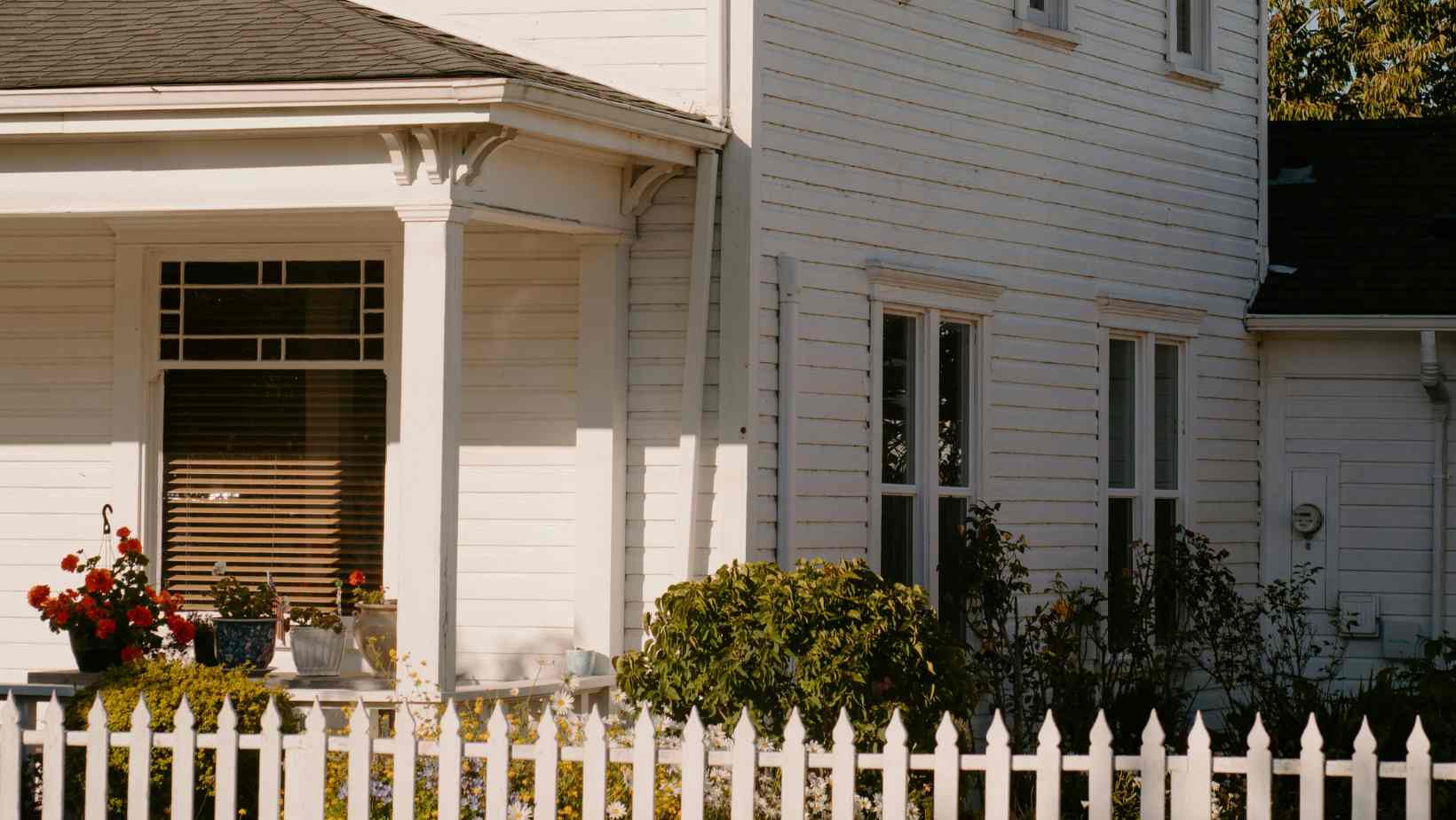
Available in both timber and fibre cement, weatherboard cladding provides excellent weather protection while maintaining a timeless New Zealand look. Weatherboard cladding has been a Kiwi favourite for generations.
What Are Lightweight Concrete Panel Cladding?
Lightweight concrete panel cladding are modern cladding systems that provide a sleek architectural appearance.They are; durable as well as fire resistant. Their low maintenance requirements makes them suitable for contemporary homes. Lightweight concrete panel cladding is increasingly popular on modern Auckland builds.
What Is Polystyrene Cladding?
Polystyrene cladding uses expanded polystyrene (EPS) panels coated with specialised plaster systems. Benefits include improved insulation and lightweight construction. The design is flexible and it provides energy efficiency, which is important with the rise in energy costs.
Modern systems differ greatly from those associated with New Zealand's leaky homes era and can perform well when installed correctly.
What Is Solid Plaster Cladding?
Solid plaster cladding is a traditional exterior plaster finish applied over masonry or suitable substrates.
Many homeowners choose solid plaster because it offers a premium appearance. Solid plaster provides strong weather resistance and long-term durability. And like polystyrene cladding, its also allows for design flexibility.
What Is Monolithic Cladding?
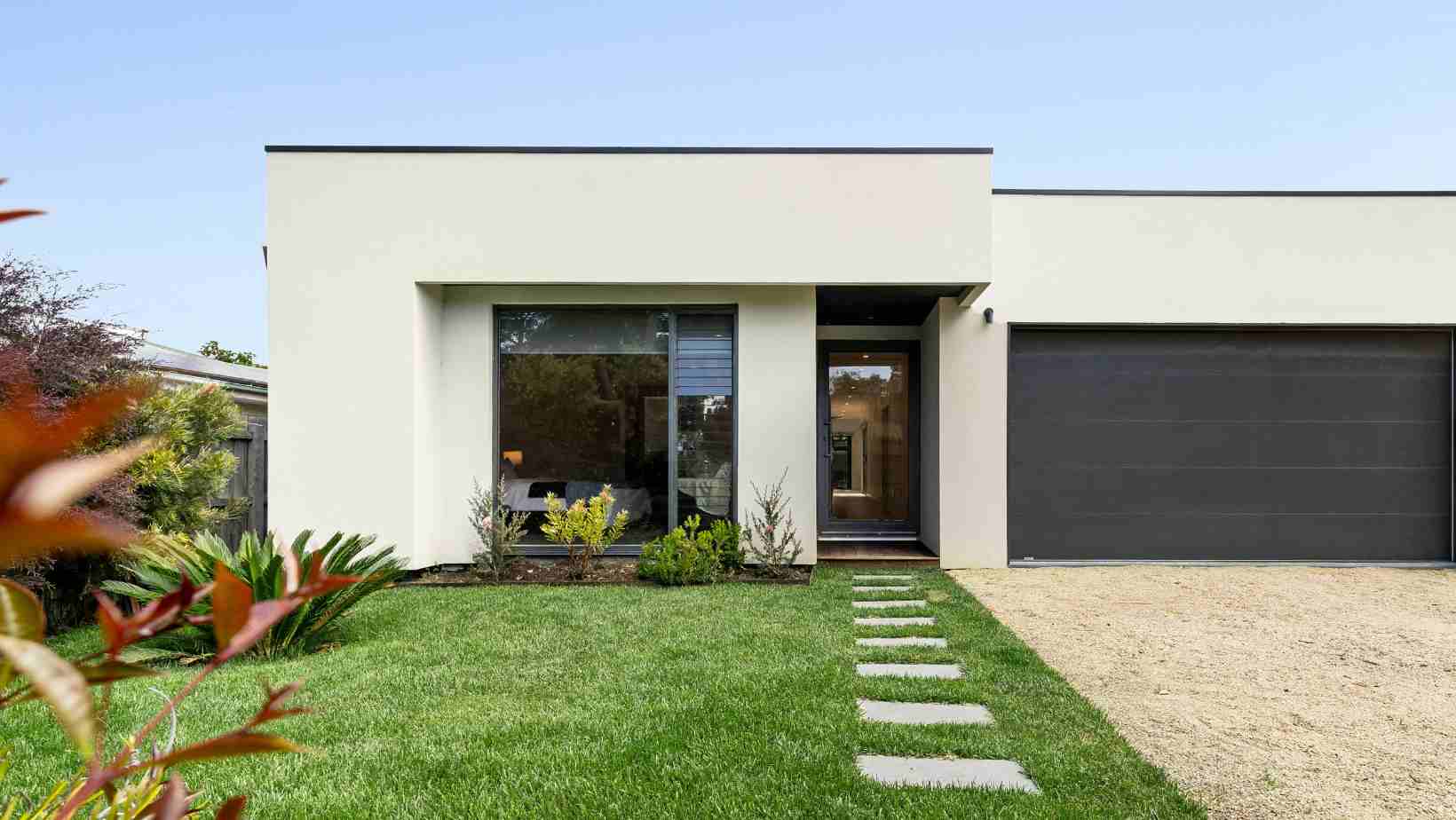
Monolithic cladding refers to seamless exterior systems designed to create a smooth, continuous appearance.
Examples include; plaster over polystyrene, fibre cement sheet systems, lightweight concrete panels and rendered exterior systems.
Modern monolithic systems are significantly improved when installed using current building standards and cavity systems.
What Are Stucco and Roughcast Cladding Systems?
Stucco and roughcast cladding Systems both remain popular choices for Auckland homes. Stucco cladding creates a smooth finish, while roughcast cladding provides a textured appearance that can help conceal minor imperfections.
What Is the Best Cladding for NZ Homes?
The best cladding for NZ homes depends on your location, budget, style, and maintenance expectations.
For many coastal Auckland homes, fibre cement cladding offers an excellent balance of durability and low maintenance. Timber remains popular for traditional homes, while lightweight concrete panels and plaster systems are often chosen for modern architectural designs.
What Is Recladding?
Recladding is the process of removing an existing cladding system and replacing it with a new one.
Homeowners may consider recladding when:
- Cladding has deteriorated
- Moisture issues are present
- Weathertightness is a concern
- The home's appearance needs updating
Recladding Auckland homes can improve weather protection, energy efficiency, and long-term property value.
How Long Does House Cladding Last?
The lifespan of house cladding varies by material and maintenance.
Typical lifespans include:
- Fibre cement cladding: 40-60 years
- Timber cladding: 25-50+ years
- Weatherboards: 30-50+ years
- Solid plaster systems: 30-50+ years
- Stucco and roughcast: 30-50+ years
Regular maintenance and inspections can significantly extend performance.
How Do You Know If Your Cladding Needs Attention?
Signs of potential cladding issues include:
- Cracking
- Warping
- Peeling paint
- Dampness or mould
- Discolouration
- Soft or deteriorating surfaces
These may indicate the need for cladding repair or, in some cases, full cladding replacement.
Understanding Your Cladding Options
Understanding what is cladding helps homeowners make informed decisions about protecting their property. Whether you're comparing cladding options NZ offers, considering recladding Auckland homes, or exploring fibre cement, solid plaster, lightweight concrete panels, or polystyrene systems, choosing the right exterior cladding can help protect your investment for decades to come.