
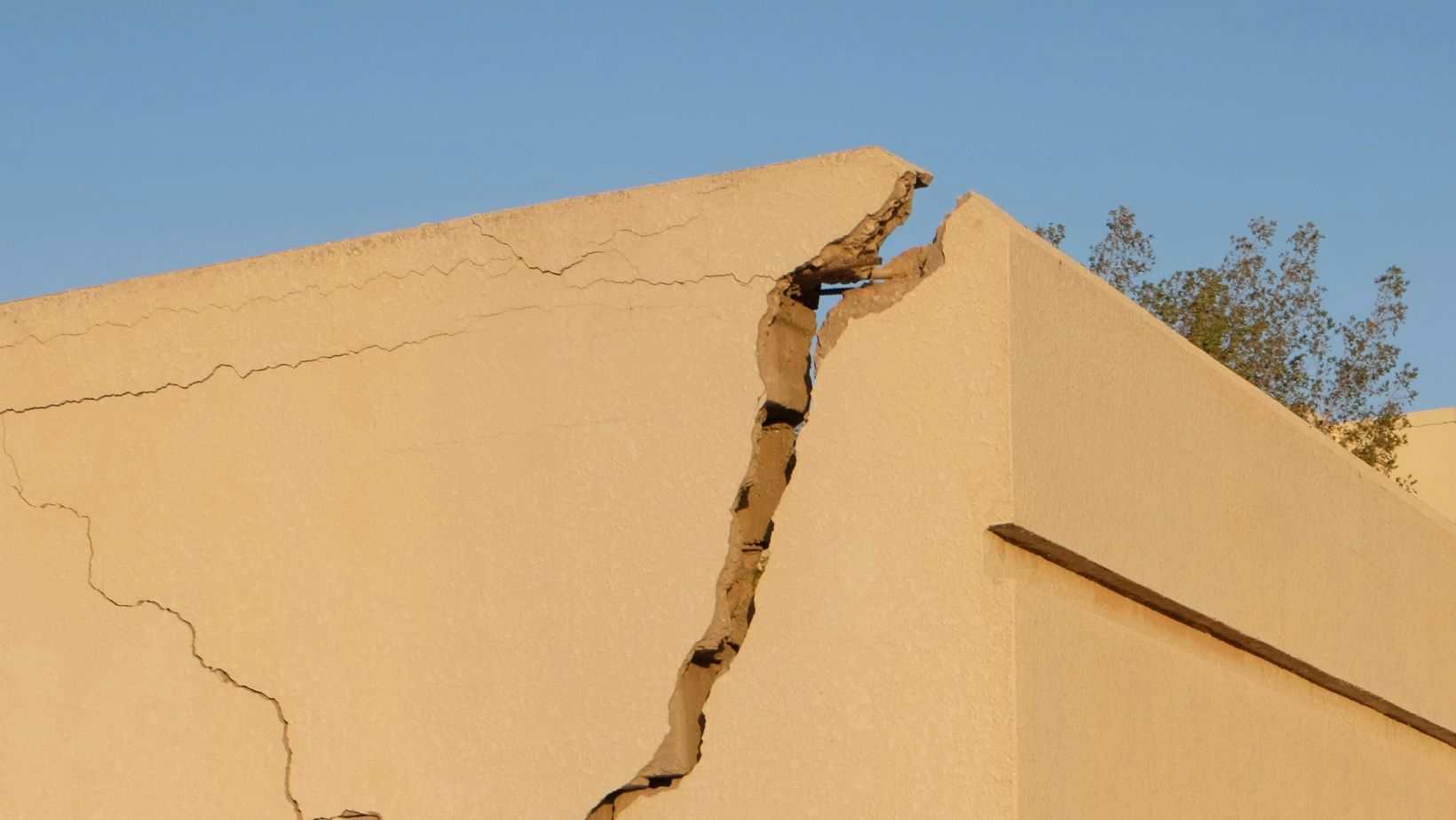
Why Is My Block Wall Cracking?
Block walls usually crack because of ground movement, poor drainage, water pressure, tree roots, or natural settlement over time. In Auckland, heavy rainfall, sloping sections, and changing soil conditions are some of the most common causes of block wall damage.
If you have a block wall on your property, and you've recently searched for ‘block wall repair near me’, you've probably noticed a crack and are wondering whether it's something minor or the beginning of a bigger problem. The good news is that not every crack means a wall is failing. The important thing is understanding what's causing the damage and whether it's likely to worsen.
If you’re wondering whether a cracked concrete block wall can be repaired, read our blog.
Understanding What's Normal and What Isn't With Block Wall Cracks
Block walls are built to be durable, they’re designed to withstand decades of weather and use, but they're rarely immune to movement. Over time, materials expand and contract, soil shifts, and water finds its way into places it shouldn't.
Any masonry specialist will advise that a small hairline crack on a block wall isn't always a cause for concern. In many cases, these cracks are cosmetic and remain unchanged for years. What homeowners should pay attention to is change.
A crack on a block wall that's getting wider, a wall that's beginning to lean, or movement that appears after a period of heavy rain may indicate an underlying issue that needs attention. These are often the situations where homeowners start searching for ‘block wall repairs in Auckland’ specialists to determine whether repairs are needed.
The wall itself is often only revealing a symptom. The real problem may be hidden beneath the ground or behind the structure.
If you’re wondering how much masonry repairs cost in Auckland, read our blog.

Why Water Causes So Many Problems with Block Walls
If there's one thing Auckland homeowners should know about block walls, it's that water is often the biggest cause of damage.
Many concrete walls and block walls are designed to manage significant pressure. When drainage systems become blocked or fail to perform properly, water can build up behind the wall. This creates additional weight and pressure that the structure wasn't designed to withstand indefinitely.
Eventually, that pressure needs somewhere to go.
Sometimes it shows up as cracking in a block wall. Other times a wall may begin to bulge or lean slightly. Homeowners are often surprised to learn that solving the drainage issue can be just as important as carrying out the repair itself.
This is particularly common on Auckland's sloping sites, where retaining walls work hard during periods of prolonged rainfall.

The Impact of Auckland's Soil and Landscape
Auckland's unique geography creates unique challenges for many homeowners. Many Auckland homes are built on sloping sections, particularly throughout the North Shore, Hibiscus Coast, Rodney, West Auckland, and the city's older volcanic suburbs. These sites can place additional pressure on block walls, particularly during periods of heavy rainfall.
Across Auckland, many properties are built on varying elevations and soil types. Some soils expand when wet and contract when dry. Over time, these natural changes can create movement beneath a wall's foundation.
Tree roots can also contribute to block wall failures. While mature trees add value and character to a property, their root systems can slowly influence surrounding ground conditions and place pressure on nearby structures.
It's one reason why cracked block wall repair often involves investigating the surrounding environment rather than simply repairing the visible damage.
Can a Cracked Block Wall Be Repaired?
In many situations, yes a cracked block wall can be repaired.
One of the biggest misconceptions homeowners have is that every damaged wall needs to be demolished and rebuilt. Fortunately, that's often not the case.
Any successful form of concrete block wall repair will involve identifying the cause of movement, address any possible drainage concerns, and repair affected sections before the problem spreads further.
When issues are identified early, repairs are typically more straightforward, less disruptive, and significantly more affordable than major reconstruction work.
The key is avoiding short-term fixes that simply disguise the problem. Filling a crack without addressing the reason it appeared is a little like repainting a ceiling stain without fixing the roof leak above it.
Prevention Is Better Than Repair with Block Wall Maintenance
Most major wall failures with a block wall don't happen overnight.
They usually begin with small warning signs that are easy to overlook. A crack that wasn't there six months ago. A slight lean that's only obvious when compared to an older photograph. Minor water pooling after heavy rain.
Paying attention to these early indicators can help homeowners avoid much larger repair bills in the future.
Routine inspections, good drainage maintenance, and prompt attention to changes are often the best defence against future structural wall repair across Auckland.
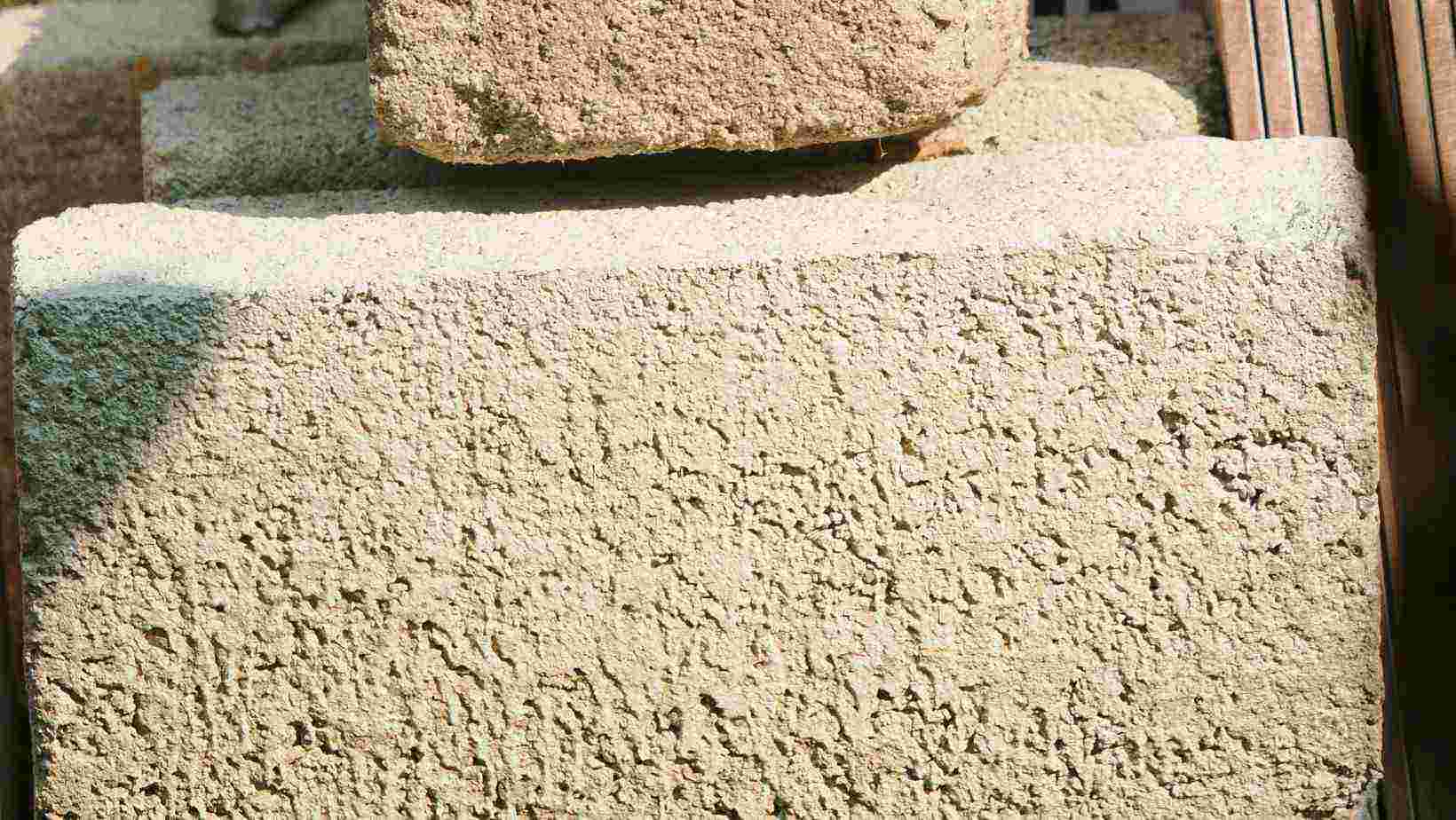
What Auckland Homeowners Should Know About Block Wall Repairs
A cracked block wall doesn't automatically mean disaster, but it shouldn't be ignored either.
More often than not, the crack is your property's way of indicating that something has changed. Whether that's water pressure, ground movement, settlement, or drainage issues, identifying the cause early is usually the most cost-effective approach.
If you've been searching for ‘block wall repair near me’, the first step isn't necessarily repairing the crack. It's understanding why the crack appeared in the first place.
By dealing with the underlying issue early, many Auckland homeowners can avoid more extensive repairs and keep their walls performing exactly as they were intended for years to come.
Block Wall FAQ’s
Why is my block wall cracking?
Block walls typically crack due to water pressure, poor drainage, ground movement, tree roots, or natural settlement over time.
Are block wall cracks dangerous?
Not always. Small hairline cracks in block walls can be cosmetic, but widening cracks, leaning walls, or movement after heavy rain should be investigated.
Can a cracked block wall be repaired?
Yes. Many damaged walls can be repaired without complete replacement, particularly when the underlying cause is identified early.
What causes block walls to fail?
Poor drainage, excessive water pressure, unstable ground conditions, and inadequate construction are common causes of block wall failure.
When should I get a block wall inspected?
If you notice widening cracks, leaning sections, bulging, loose blocks, or signs of movement, it's worth seeking professional advice.