
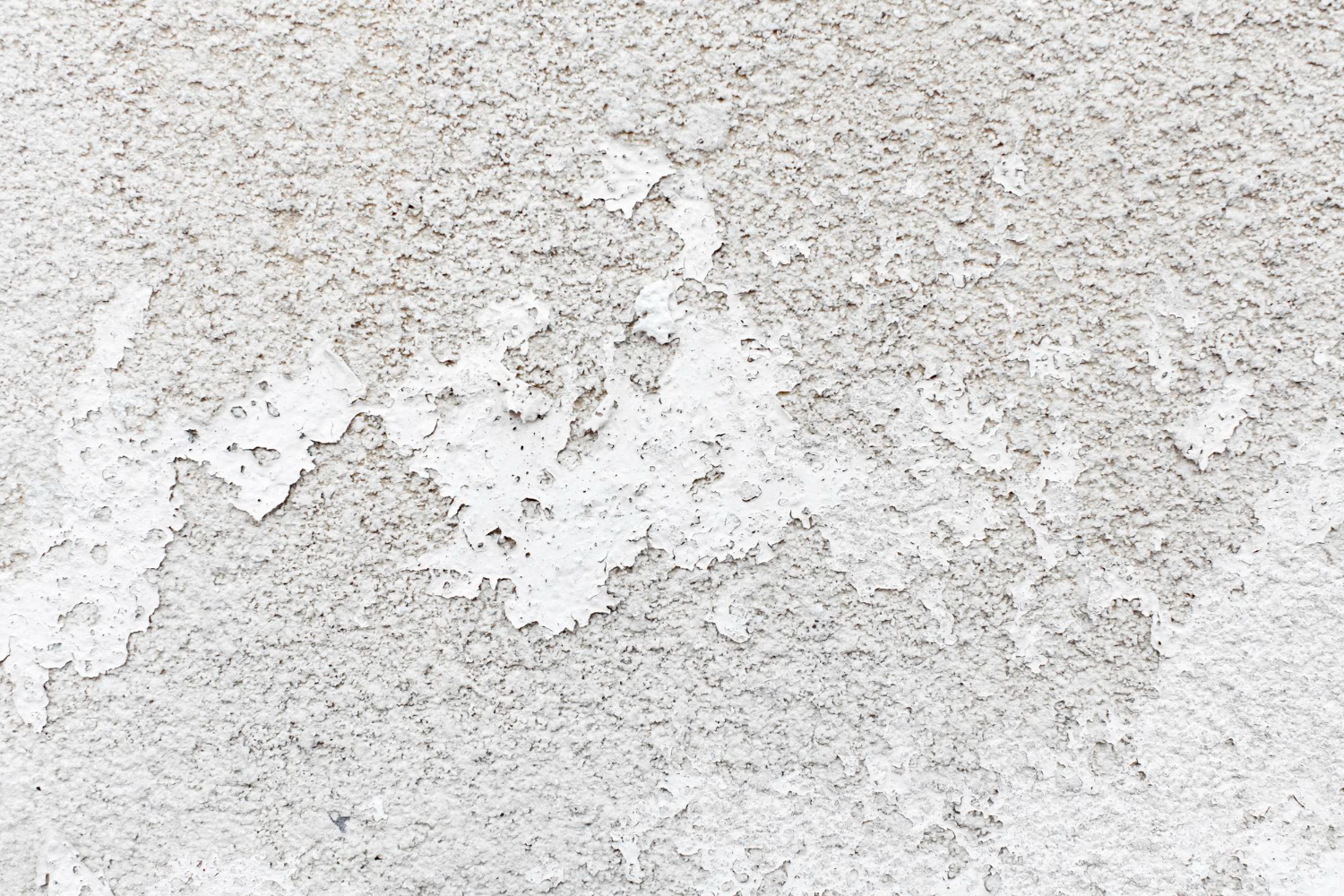
Why Is My Plaster Bubbling and How Can I Stop It?
You usually don’t notice plaster bubbling straight away. It tends to creep in quietly, starting as a slight ripple in the paint or a patch of wall that doesn’t quite catch the light the way it used to, sometimes feeling a little softer under your hand but not yet bad enough to cause real concern.
For many homeowners, it’s only once those ripples grow or the paint begins to lift that the questions start to surface. Has there been a leak somewhere? Is it just old paint reaching the end of its life? Is this something that needs attention now, or can it sit for a while longer?
In Auckland homes especially, bubbling plaster is a familiar issue. Damp winters, older building methods, and everyday moisture inside the house all contribute over time. In most cases, what shows up on the surface is only part of what’s going on, and getting to the bottom of it early is what keeps a plaster bubbling fix contained instead of turning into a drawn-out repair, rather than ending up as a larger piece of internal work that falls under internal plastering later on.
What Bubbling Plaster Is Telling You
Plaster bubbling is rarely random. It usually happens once the plaster begins to lose its grip on the surface behind it, most often because moisture has worked its way in, weakened the bond, and allowed the plaster to lift instead of holding firm.
This is where it differs from paint peeling on its own. Paint can fail for plenty of reasons, but bubbling generally points to the plaster itself being affected. At that stage, repainting might improve how things look temporarily, but it won’t deal with what’s actually causing the problem.
How Moisture Ends Up Behind the Wall
In most homes, moisture doesn’t appear all at once. It usually builds up in the background, slowly and without much fuss, often going unnoticed while everything still looks fine on the surface, until one day the plaster has simply had enough.
Leaks and Hidden Water Sources
Small plumbing leaks, minor roof issues, or water tracking in through joinery can sit inside wall cavities for months without giving much away. Nothing obvious shows up at first, but during that time the plaster is quietly taking on moisture, losing strength bit by bit, until it finally starts to let go. By the time bubbling becomes visible, the wall has usually been damp for quite some time.
A damp plaster wall will often feel cooler than surrounding areas and may show faint staining before the surface starts to lift.
Rising Damp in Older Homes
Many older Auckland houses were built before modern damp protection became standard. Moisture can travel up from the ground through concrete or masonry and into the lower sections of internal walls, affecting plaster from the bottom upward.
When bubbling starts close to the floor and gradually works its way higher, it’s often linked to rising damp rather than a one-off leak. Painting over it tends to mask the issue rather than solve it, and the problem usually returns.
Condensation and Everyday Moisture
Bathrooms, kitchens, and bedrooms with limited ventilation slowly build up moisture in the air, particularly during colder months. That moisture settles on cooler wall surfaces and works its way into the plaster over time.
Because this process is gradual, plaster bubbling caused by condensation can seem to appear without warning, even though the wall has been under stress for quite a while.
Water Getting in From Outside
In some cases, the moisture isn’t coming from inside the house at all. Cracked cladding, failed flashings, damaged joinery, or blocked gutters can all allow water to enter wall cavities, with the plaster often being the last part of the wall system to show there’s an issue.
Where this happens, the solution usually sits with wider building repairs rather than surface work alone.
Old Repairs and Painting Over Damp
It’s common to see walls that have been patched or repainted before they were fully dry. When that happens, moisture becomes sealed in behind the surface, and the plaster slowly breaks down underneath.
Older filler repairs can fail in the same way if they were applied over damp areas or without enough preparation beforehand.
Signs Bubbling Is on the Way
Plaster will often give a few subtle hints before bubbling becomes obvious. Musty smells, discoloured paint, cold or clammy patches, and walls that feel slightly soft to the touch are all common early signs.
Picking up on these changes early can keep repairs smaller and avoid the need to cut back large sections later on.
Why Bubbling Plaster Rarely Fixes Itself
Once moisture gets into a wall, it tends to hang around longer than people expect. It doesn’t dry out neatly or all at once. It sits there, moving slowly through the plaster and whatever’s behind it, sometimes spreading sideways, sometimes deeper, weakening things bit by bit rather than causing one obvious failure. What makes it tricky is that the wall can still look mostly fine while this is happening, until the surface finally starts to give way.
By the time bubbling is clearly visible, the plaster has usually been under stress for a while. At that point, the affected area often keeps growing rather than settling down, which is why repairs can creep from something small into a job that needs more cutting back than first expected, sometimes with mould lurking behind the surface as well.
When a Simple Plaster Repair Works
There are situations where a plaster repair is all that’s needed, but they tend to be fairly specific, and usually only after the moisture side of the problem has been properly dealt with. The moisture has to be properly dealt with first, and the damage usually needs to be limited to a small, clearly defined area rather than spread across the wall.
In those cases, the repair is less about rushing to patch things up and more about patiently undoing what’s failed, letting the wall dry back out, and rebuilding the surface so it ties in naturally with what’s already there. When that process is given the time it needs, the finished wall generally holds up well and looks as it should once it’s painted.
When a Plaster Bubbling Fix Won’t Hold
If the wall is still damp, surface repairs won’t last. Bubbling is likely to return, sometimes within months, because the underlying cause hasn’t been dealt with.
Active leaks, unresolved condensation, or ongoing water entry need to be addressed first. Until that happens, no plaster bubbling fix will stay sorted.
How West & Sons Look at Bubbling Plaster
At West & Sons, the starting point is never filler. We begin by understanding why the plaster has failed, which means looking for moisture sources, checking ventilation, and assessing whether the wall is still damp or likely to continue moving.
Only once the cause is clear do we carry out the repair. That approach avoids repeat work and helps ensure the fix suits the house as a whole, not just the surface you see.
Keeping Plaster in Good Shape Long Term
Managing moisture is key to keeping plaster in good condition. Good airflow, clear gutters, sound cladding, and allowing walls to dry properly before painting all play their part.
Quick cover-ups tend to hide the issue rather than resolve it. Taking the time to deal with moisture properly usually saves work later on.
When It’s Worth Getting Bubbling Plaster Checked
Bubbling plaster is rarely just cosmetic. In most cases, it’s a sign that moisture has been present for longer than you might think.
If you’re unsure what’s causing it, getting it looked at early can keep the repair straightforward. The West & Sons team can assess the wall, explain what’s happening, and help you decide the right way forward so the repair holds up over time.