
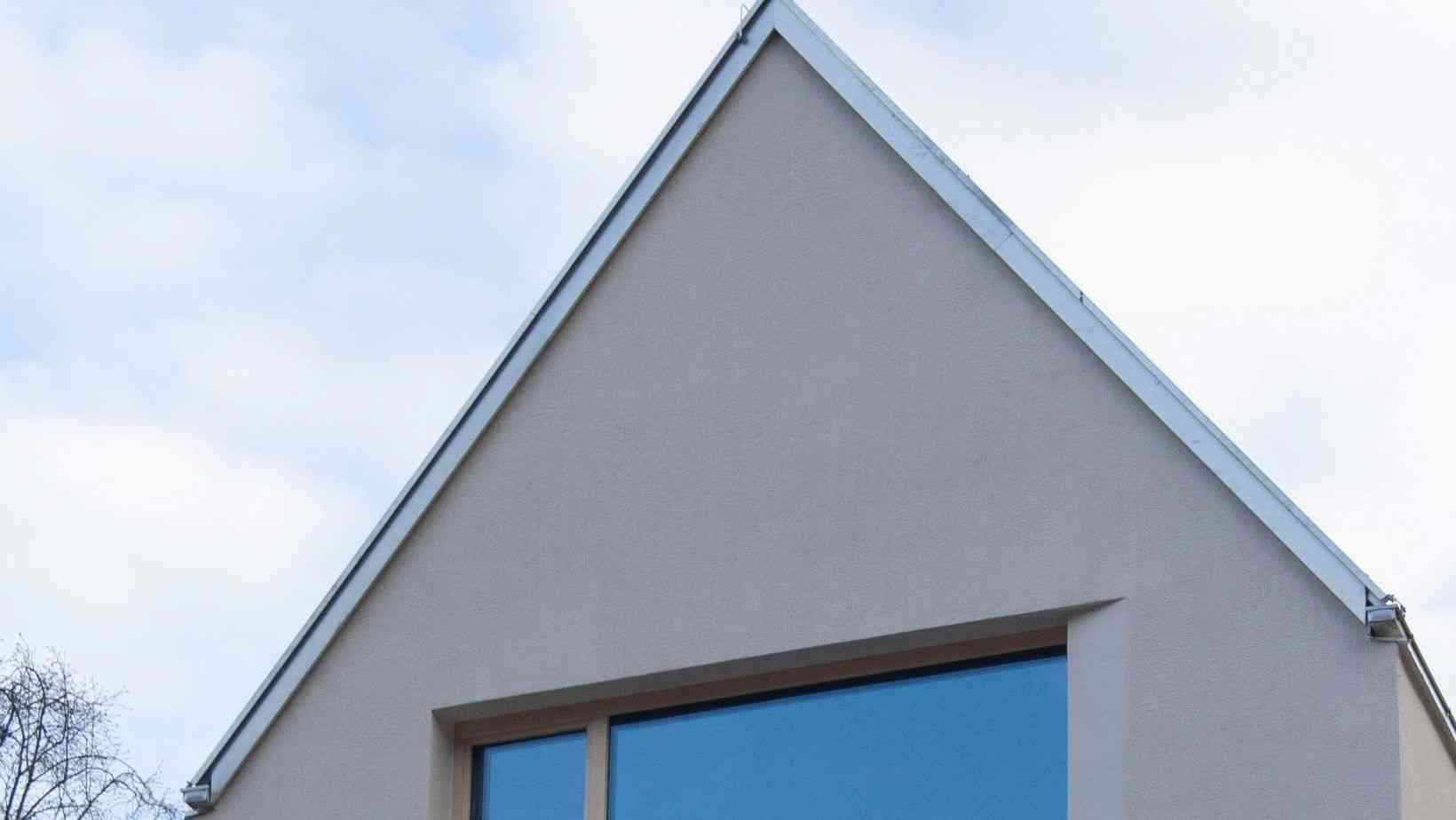
What Is Monolithic Cladding? Maintenance and Solutions for Auckland Homeowners
If you've heard the term monolithic cladding but aren't quite sure what it means, allow us to explain. Monolithic cladding NZ systems became popular throughout the 1990s and early 2000s and are still found on many Auckland homes today. Particularly in areas such as Greenhithe, Albany and North Harbour.
These cladding systems are known for their sleek, seamless appearance and can provide a durable exterior finish when installed and maintained correctly. Some monolithic cladding homes historically carry a bad reputation for potentially being leaky homes, this is a myth. When the plaster system is correctly installed, many homes continue to perform well today.
Whether you're planning renovations or simply want to better understand your home's exterior, knowing how this cladding system works can help you make informed decisions.
What Is Monolithic Cladding?
Monolithic cladding is an exterior wall system that creates a smooth, continuous finish across a building. Unlike brick, weatherboard, or panel-based cladding systems, it uses a solid plaster finish applied over materials such as polystyrene, fibre cement sheets, or concrete blocks.
The term monolithic means formed as a single piece, which describes the seamless appearance of the finished exterior.
Modern monolithic cladding NZ systems typically include:
- Structural wall framing
- A cavity system for ventilation and drainage
- Fibre cement or polystyrene backing
- Reinforcing mesh
- Plaster coatings
- Protective paint finishes
A qualified Licensed Building Practitioner, rendering contractor, or plastering specialist understands how these components work together to protect a home's exterior.

Is Stucco Monolithic Cladding?
Yes. Stucco is generally considered a form of monolithic cladding.
Because both finishes use plaster-based materials, stucco plaster is often discussed alongside monolithic cladding.
Traditional stucco systems use multiple layers of cement-based solid external plaster applied over reinforcing mesh. The result is a continuous plaster finish that creates the smooth appearance associated with this style of cladding.
Modern stucco systems often include cavity construction and enhanced waterproofing details to improve weather resistance and durability.
If you're unsure about the construction of your home, an experienced plasterer from Auckland can assess the external plaster system and advise on maintenance requirements.
If you’d like to know more about stucco plastering read our blog.
Is Roughcast Plaster Monolithic?
Because both finishes use plaster-based materials, roughcast is often discussed alongside monolithic cladding.
Is Roughcast Monolithic?
In most cases, yes, roughcast is considered a monolithic system because it also uses a continuous plaster finish across the building exterior.
The difference is primarily the texture rather than the construction method.
Roughcast vs Monolithic
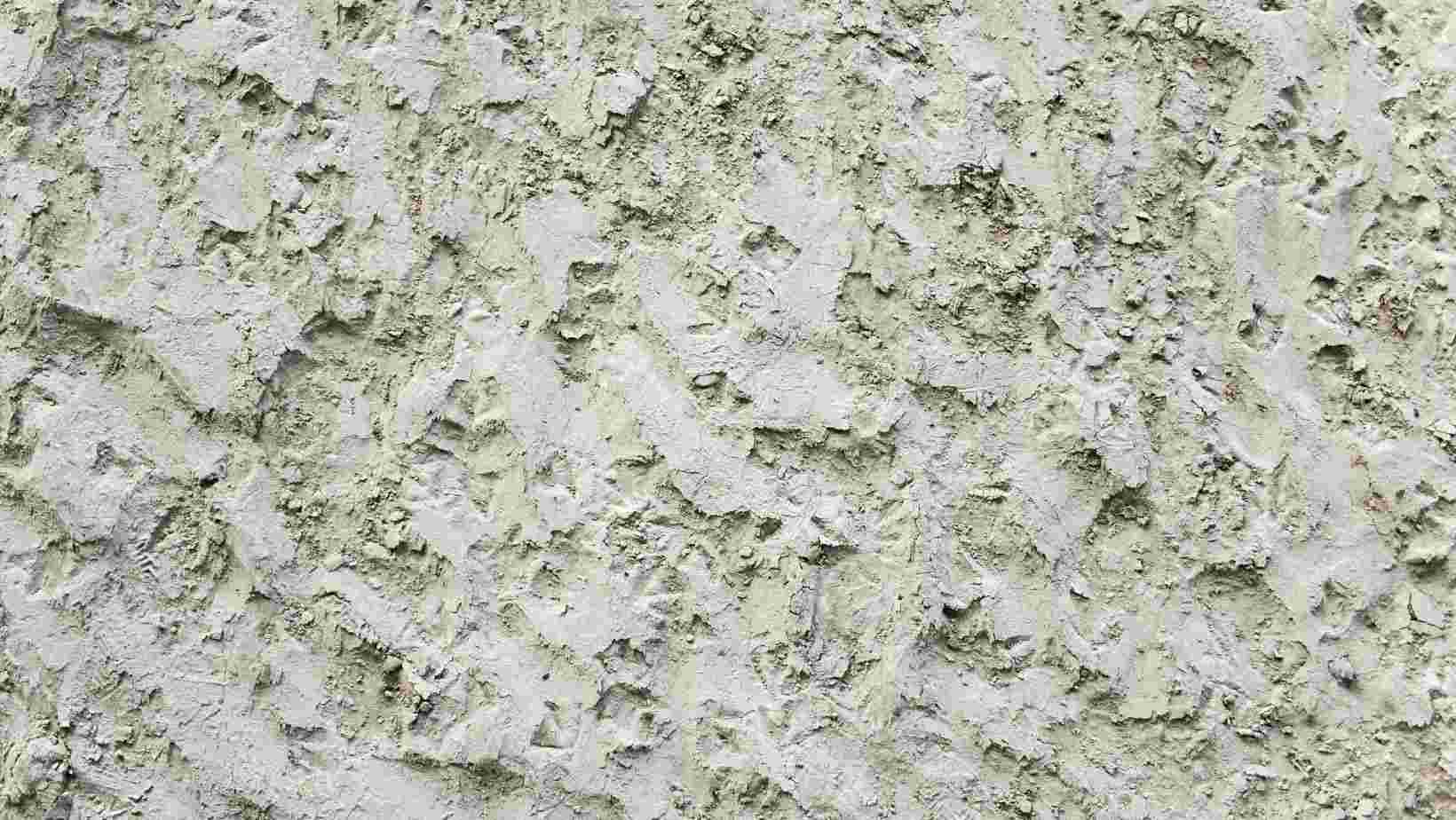
The phrase roughcast vs monolithic can be slightly misleading because roughcast is actually a type of monolithic finish. The main difference is the appearance rather than the construction method. Roughcast features a textured surface that is commonly found on older New Zealand homes, while modern monolithic systems often have a smoother, more architectural finish. Both use plaster-based materials to create a continuous exterior surface, although the specific render, texture, and finishing techniques may vary. An experienced plasterer North Shore homeowners rely on can identify the type of finish on your property and recommend the most appropriate maintenance and repair approach.
If you’d like to know if Roughcast Plaster adds value to your home, read our blog.
How Monolithic Cladding Performs Over Time
This type of exterior cladding has been used on New Zealand homes for decades and can provide excellent long-term performance when installed and maintained correctly. Whether the finish is stucco, roughcast, or a modern solid plaster system, factors such as workmanship, weather protection, material quality, and ongoing maintenance all contribute to durability.
Many well-maintained homes featuring plaster-based exterior systems continue to perform exceptionally well years after construction. Regular inspections by a Licensed Building Practitioner, rendering contractor, or plastering specialist can help identify maintenance requirements early and prolong the life of the exterior finish.
Maintaining Monolithic Cladding
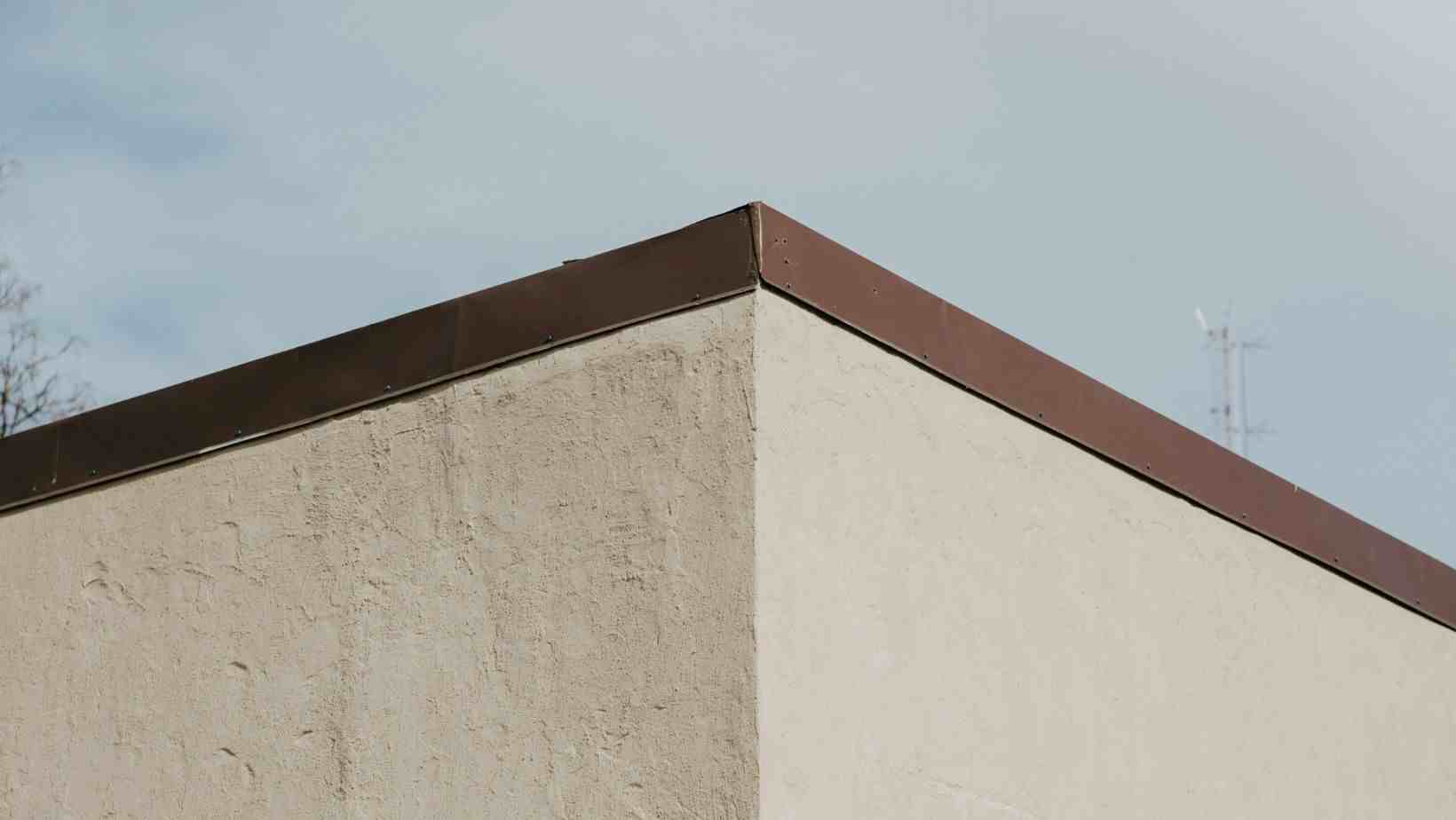
Like any exterior cladding system, regular maintenance is essential. Some key maintenance tasks include:
- Annual inspections for cracks and movement
- Repainting every 7 to 10 years
- Maintaining sealants around windows and doors
- Cleaning exterior surfaces regularly
- Repairing damaged solid plaster promptly
- Addressing minor defects before moisture can penetrate the surface
A qualified plasterer Auckland homeowners trust can help ensure repairs are completed correctly and that the exterior remains in excellent condition.
Understanding Monolithic Cladding and Long-Term Performance
This exterior cladding system remains a popular choice throughout New Zealand thanks to its clean architectural appearance, design flexibility, and durable finish. Whether your home features stucco, roughcast, or another solid plaster system, long-term performance depends on quality workmanship and consistent maintenance.
Working with a reputable Licensed Building Practitioner, rendering contractor, plastering specialist, or experienced plasterer North Shore professional ensures that repairs, upgrades, and maintenance are completed to a high standard. With the right care, these plaster-based exterior systems can continue to provide an attractive, weather proof, and durable finish for many years.