

What Are the Different Types of Stucco Cladding in Auckland?
Solid plaster finishes have been used for centuries, with some of the world's oldest plastered buildings dating back thousands of years. Today, modern stucco cladding systems combine that timeless appeal with advanced weatherproofing technology, making them a popular choice for New Zealand homes. The West family have been plastering homes for over a century, so we’d like to think we know a thing or two about external plastering.
If you're considering stucco cladding for a new build, renovation, or home extension, understanding the different systems available can help you make the right decision. From traditional solid plaster finishes to modern cavity-based plaster systems, each option offers unique benefits depending on your home's location, design, and maintenance requirements.
What Is Stucco Cladding?
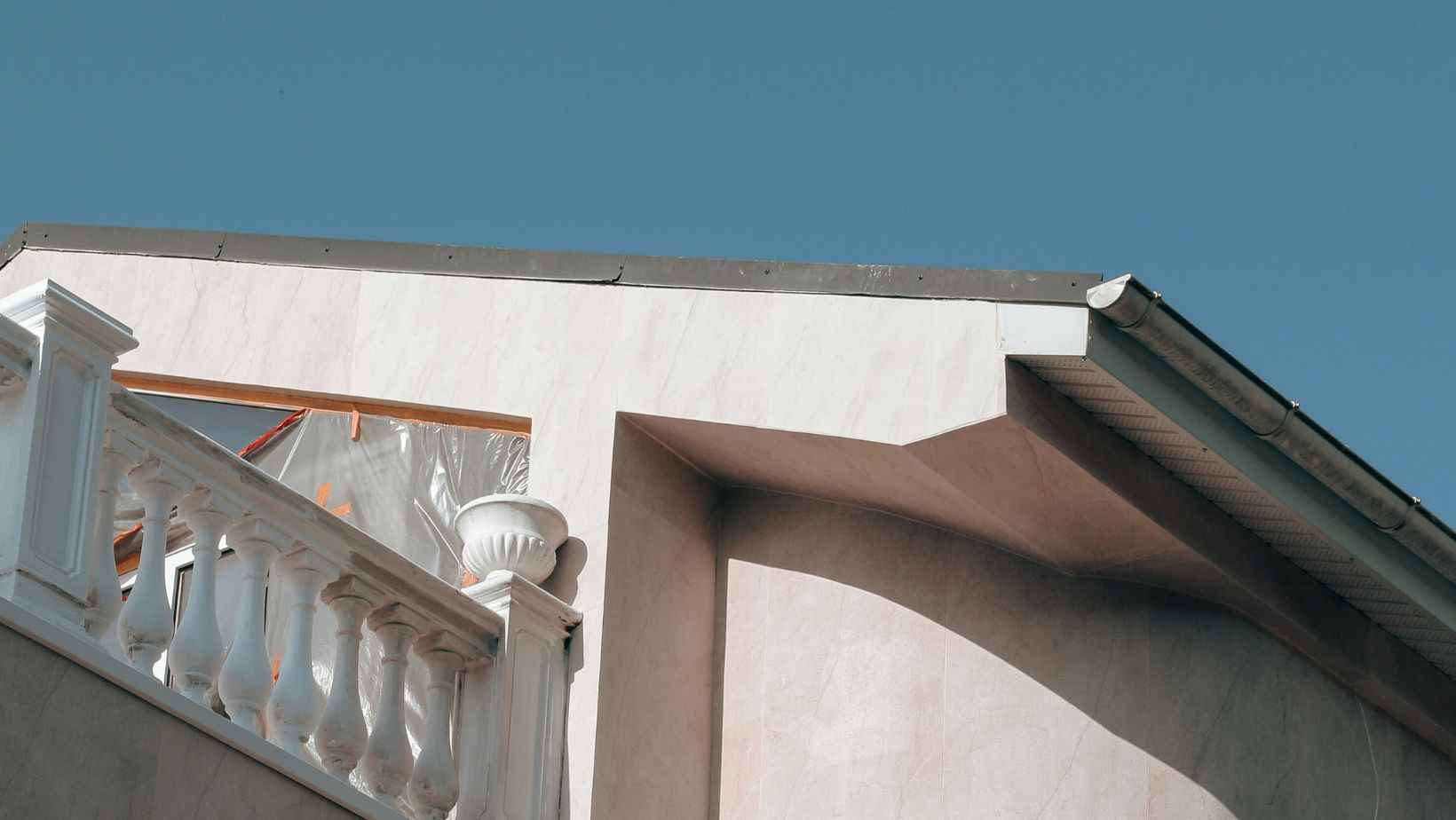
Stucco cladding is a durable exterior wall system created by applying layers of stucco plaster over a reinforced substrate. It provides a seamless appearance, excellent design flexibility, and strong weather resistance when correctly installed and maintained.
Many Auckland homeowners choose stucco cladding because it suits traditional heritage villas and contemporary architectural homes. It can be finished in a variety of textures and colours, making it one of the most versatile exterior plaster finishes available.
Traditional Solid Plaster Stucco
Traditional solid plaster is one of the oldest forms of stucco cladding used in New Zealand. This system typically consists of cement-based stucco plaster applied directly over masonry, concrete block, or other solid substrates. The result is a strong, durable finish that provides excellent impact resistance.
Advantages include:
- Long lifespan when maintained properly
- Classic architectural appearance
- Excellent durability
- Suitable for heritage and villa restoration projects
Many older Auckland homes still feature traditional solid plaster exteriors that have lasted for decades with routine maintenance and occasional plaster repair work.
Cavity-Based Stucco Cladding Systems
Modern stucco cladding systems often incorporate a cavity between the plaster surface and the structural framing.
The cavity allows moisture to drain and ventilate, which helps reduce the risk of water-related issues behind the cladding. This approach became increasingly popular following changes in New Zealand building practices and weather-tightness requirements following the leaky building crisis.
Benefits include:
- Improved moisture management
- Better long-term performance
- Compliance with modern building standards
- Suitable for new builds and renovations
Many homeowners working with plastering specialists choose cavity-based systems for added peace of mind in Auckland's coastal climate.
If you’d like to understand the process of recladding an Auckland home, read our blog.
Monolithic Exterior Plaster Finishes
Monolithic exterior plaster finishes create a smooth, seamless appearance that is highly sought after in modern architecture. This style of stucco plaster can be applied in various textures, from ultra-smooth contemporary finishes to textured Mediterranean-inspired designs. Monolithic exterior plaster finishes are used in an array of homes, from architectural homes, renovations, home extensions as well as modern coastal properties. The versatility of these exterior plaster finishes allows homeowners to achieve a customised look while retaining the protective benefits of stucco cladding.
Common Repairs for Stucco Cladding
Over time, natural settlement, impact damage, weather exposure, and age can create the need for plaster repair work. Common issues include hairline cracking, chips, and surface deterioration. Professional solid plaster repair services can address these issues before they develop into larger and more costly problems.
One interesting fact is that many cracks homeowners notice are cosmetic rather than structural. However, any visible cracking should be assessed by experienced plastering specialists to ensure moisture cannot enter behind the cladding system.

Concrete Plaster Repair and Crack Remediation
Homes featuring plastered masonry or concrete surfaces may require occasional concrete plaster repair work. This process may involve initially crack assessment, surface preparation, reapplication of compatible plaster products followed by waterproof coating systems. Any waterproofing must be undertaken by a Licensed Building Practitioner as it’s considered Restricted Build Work.
Professional concrete plaster repair helps maintain the appearance and durability of exterior surfaces while preventing water ingress.
Likewise, exterior plaster crack repairs are a common maintenance requirement for many Auckland properties. Early intervention often prevents minor damage from becoming a significant plaster restoration project.
If you'd like to understand plaster repair and how small cracks can become big problems, if left unattended, read our blog.
Choosing the Right Plastering Specialists
Whether you're installing new stucco cladding, planning a renovation, or requiring solid plaster repair, working with experienced professionals is essential.
Qualified plastering specialists understand the differences between modern cladding systems, traditional solid plaster, and specialist repair techniques. They can recommend solutions suited to your home's age, design, and exposure to weather conditions.
For homeowners seeking plastering North Shore services, choosing local experts familiar with Auckland's coastal environment ensures your stucco cladding system is designed to perform for years to come.
Choosing the Right Stucco Cladding for Your Auckland Home
From traditional solid plaster systems to modern cavity-based stucco cladding, New Zealand homeowners have several excellent exterior cladding options available. Understanding the differences between these systems can help you make informed decisions about installation, maintenance, and future plaster repair requirements.
Whether you're building, renovating, or maintaining an existing property, investing in quality workmanship and working with experienced plastering specialists will help ensure your home remains attractive, weather-resistant, and durable for years to come.